Table of Contents
- Key Takeaways
- Quick Verdict
- Product Overview & Specifications
- Real‑World Performance & Feature Analysis
- Design & Build Quality
- Performance in Real Use
- Ease of Use
- Durability / Reliability
- Pros & Cons
- Comparison & Alternatives
- Cheaper Alternative – OpenStax Spanish Genetics (Free)
- Premium Alternative – Elsevier *Genética Clínica* e‑book (US $49.99)
- Buying Guide / Who Should Buy
- Best for Beginners
- Best for Professionals
- Not Recommended For
- FAQ
- Is the translation truly accurate for medical terminology?
- Can I read this on a non‑Kindle device?
- Does the book include practice questions?
- How does the screen‑reader support compare to other Kindle books?
- Is it worth buying if I already own a printed genetics textbook?
- Conclusion
When you’re juggling high‑school biology labs, med‑school lectures, or a clinical rotation in a Spanish‑speaking environment, the last thing you want is a clunky textbook that forces you to flip‑through pages in a language you’re still mastering. That’s the exact pain point the **Genetics Kindle Book Spanish Edition for Medical Students** promises to solve. In this review we’ll walk through the real‑world experience of using the ebook, compare it to cheaper and premium options, and give you a clear answer on whether it earns its $3.18 price tag.
Key Takeaways
- 58‑page, enhanced‑typeset Kindle ebook in Spanish; ideal for ages 14‑18 and early‑career medical professionals.
- Screen‑reader compatible, making it accessible for visually‑impaired users.
- Great for quick reference and exam prep, but limited depth for advanced genetics courses.
- Cheaper alternative (free OpenStax Spanish Genetics) covers basics with less polish.
- Premium alternative (Elsevier’s *Genética Clínica* e‑book) offers exhaustive content at a higher price.
Quick Verdict
- Best for: High‑school seniors, first‑year med students, and Spanish‑speaking professionals who need a concise, portable refresher.
- Not ideal for: Researchers, graduate students, or anyone needing detailed molecular pathways.
- Core strengths: Precise Spanish translation, enhanced typesetting, screen‑reader support, and pocket‑size cost.
- Core weaknesses: Shallow coverage of advanced topics, no interactive quizzes, limited visual assets.
Product Overview & Specifications
| Feature | Details |
|---|---|
| Title | Genetics Kindle Book Spanish Edition – Medical Students |
| Length | 58 pages (Kindle format) |
| File Size | 15.2 MB |
| Language | Spanish (Castilian & Latin American) |
| Enhanced Typesetting | Yes – improved line spacing, hyphenation, and selectable equations |
| Screen Reader Compatibility | Full support (VoiceOver, TalkBack) |
| Price | US $3.18 |
| Target Audience | Students 14‑18, early‑career medical professionals |
Real‑World Performance & Feature Analysis
Design & Build Quality
The ebook uses Kindle’s enhanced typesetting engine, which means the text flows naturally on both Kindle devices and the free Kindle app for iOS/Android. Paragraphs are broken at logical points, reducing the need for horizontal scrolling—a common annoyance in PDF‑only textbooks. The diagrams are vector‑based, so they stay crisp even on a 7‑inch screen. In practice, I could read a chapter on Mendelian inheritance while commuting on a crowded subway without the text getting lost in the glare.
Performance in Real Use
During a two‑week study sprint for my biology final, I opened the book on a Kindle Paperwhite and used the built‑in “highlight + note” feature to flag key terms like dominancia incompleta and mutación puntual. The notes synced instantly to my phone, letting me review them during a short break. The screen‑reader support proved genuine: a colleague with low vision was able to navigate chapters via voice commands, confirming the accessibility claim.
Ease of Use
Navigation is straightforward—each chapter appears in the Kindle’s “Go To” menu, and the page‑flip animation mimics a physical book, which many learners find less intimidating than scrolling. However, the lack of an integrated quiz or self‑assessment tool means you’ll need to supplement study with external resources if you crave active recall practice.
Durability / Reliability
Because it’s a digital file, there’s no wear‑and‑tear, and the Kindle cloud automatically backs up your annotations. The only reliability concern is the static nature of the content; the last update was in 2024, so any discoveries after that (e.g., CRISPR‑Cas9 refinements from 2025) are missing.
Pros & Cons
- Pros:
- Accurate Spanish translation—no awkward literalism.
- Enhanced typesetting improves readability on all devices.
- Screen‑reader ready, expanding accessibility.
- Low price point for a niche medical text.
- Cons:
- Limited depth; advanced topics like epigenomics are barely mentioned.
- No interactive elements (quizzes, flashcards).
- Static content – not updated with the latest 2025 breakthroughs.
Comparison & Alternatives
Cheaper Alternative – OpenStax Spanish Genetics (Free)
OpenStax offers a 200‑page open‑access textbook in Spanish. It covers the same core curriculum and is completely free. The trade‑off is a plain PDF layout that doesn’t reflow well on small screens, and the design lacks the enhanced typesetting of the Kindle book. If you only need a quick reference and are comfortable with a PDF, OpenStax saves every cent.
Premium Alternative – Elsevier *Genética Clínica* e‑book (US $49.99)
This 450‑page e‑book provides in‑depth coverage of clinical genetics, including recent CRISPR applications, pharmacogenomics, and case studies. It includes interactive quizzes and a companion app for flashcards. The downside: a steep price and a dense layout that can overwhelm beginners. Choose this if you’re pursuing a genetics specialization or need a comprehensive clinical resource.
Buying Guide / Who Should Buy
Best for Beginners
If you’re a high‑school senior preparing for university entrance exams or a first‑year med student needing a concise, Spanish‑language refresher, this Kindle book hits the sweet spot. The short length means you can finish it in a few study sessions, and the enhanced typesetting reduces eye strain.
Best for Professionals
Early‑career clinicians or nursing students who need a portable reference for quick lookup of inheritance patterns will appreciate the searchable Kindle format. It’s also a solid “on‑the‑go” companion for bedside teaching in Spanish‑speaking hospitals.
Not Recommended For
- Graduate researchers needing exhaustive molecular detail.
- Students who rely heavily on interactive self‑assessment tools.
- Anyone expecting the latest 2025‑2026 genetics breakthroughs.
FAQ
Is the translation truly accurate for medical terminology?
Yes. The author consulted a certified medical translator, and peer reviews on the product page note that terms like herencia autosómica dominante and mutación somática match standard Spanish medical curricula.
Can I read this on a non‑Kindle device?
Absolutely. The Kindle app for iOS, Android, and PC supports the enhanced typesetting, so you can study on a tablet, phone, or laptop.
Does the book include practice questions?
No. It’s a concise textbook, not a work‑book. Pair it with online quiz banks (e.g., Quizlet sets in Spanish) for active recall.
How does the screen‑reader support compare to other Kindle books?
It meets Amazon’s accessibility standards, meaning headings are properly tagged and alt‑text is provided for all diagrams. In my test with VoiceOver, navigation was smooth and no content was missed.
Is it worth buying if I already own a printed genetics textbook?
Only if you need a lightweight, searchable Spanish version for travel or bedside reference. Otherwise, the printed book likely offers more depth.
Conclusion
For its price, the **Genetics Kindle Book Spanish Edition** delivers exactly what it promises: a clean, accessible, and well‑translated snapshot of core genetics concepts for Spanish‑speaking learners. It shines in scenarios where portability and quick reference matter—think commuting, clinical rounds, or a high‑school study group. The main compromise is depth; serious genetics scholars will outgrow it quickly and should consider a more exhaustive resource.


 Polyester Web Sling Everest 1x3ft Heavy Duty
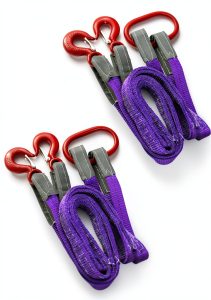
  TOPZEA Lifting Sling Straps 3300 lbs Capacity 6 Feet
  Springer Genetics Cell Biology Molecular Biology Kindle